Table of Contents
ToggleClutter doesn’t just look bad, it eats up time, creates stress, and makes every task harder than it needs to be. Storage baskets and bins are the workhorse solution that turns chaos into order without requiring a full renovation or custom built-ins. They’re modular, movable, and adaptable to nearly any space, from linen closets to garage shelving. Whether someone’s corralling toys in a playroom, organizing pantry staples, or taming a tangle of extension cords in the workshop, the right basket or bin makes retrieval easy and keeps surfaces clear. This guide walks through types, selection criteria, and room-specific strategies to make storage work harder.
Key Takeaways
- Storage baskets and bins eliminate visible clutter while remaining portable and flexible, making them ideal for spaces that change over time, such as home offices or guest rooms.
- Different materials suit different rooms: woven baskets add warmth to living spaces, fabric bins work for closets and kids’ rooms, and durable plastic bins are essential for garages, basements, and workshops.
- Measure your space carefully before purchasing storage baskets and bins—shelf depth, width, and height clearance are critical to ensure bins fit properly and don’t create safety hazards.
- Clear plastic bins and labeled containers maximize vertical storage efficiency, allow quick visibility of contents, and can shave hours off projects by keeping small items organized and accessible.
- Use color-coded and labeled storage baskets in kids’ rooms and playrooms to simplify cleanup, and choose low-sided open bins to encourage independent use without lids creating obstacles.
- Maximize underutilized spaces like under-bed areas with low-profile wheels or vertical closet space with stackable bins, transforming wasted space into functional storage for seasonal items and extras.
Why Storage Baskets and Bins Are Essential for Home Organization
Storage baskets and bins solve the fundamental problem of visible clutter without locking items behind closed doors. Unlike permanent cabinetry, they’re portable, pull one off a shelf, sort through it, and return it. This flexibility matters in spaces that serve multiple functions or change over time, like a guest room that doubles as a home office.
They also create visual boundaries. A wire basket on a pantry shelf groups snack bags together: a fabric bin on a bookshelf corrals remote controls and charging cables. The container itself signals “this is where X lives,” which makes it easier for everyone in the household to maintain order. Kids can toss blocks into a labeled bin: adults can grab seasonal decorations from a clear plastic tote without digging through three boxes.
From a home improvement perspective, baskets and bins maximize vertical storage. Standard shelving, whether wire rack, wood plank, or melamine, often wastes vertical space because items pile up or fall over. Bins with straight sides stack cleanly and make use of shelf height. In a basement or utility room, stackable plastic bins on metal shelving can hold tools, paint supplies, or holiday gear while keeping moisture and dust at bay. Pair them with shelf labels or a simple inventory list taped to the front, and retrieval becomes a one-step process.
They’re also a quick fix when planning a larger project. Sorting screws, nails, and drill bits into small bins on a pegboard or in a drawer organizer keeps the workspace functional while someone tackles a bigger renovation. That prep work, having the right fastener in the right place, can shave hours off a build.
Types of Storage Baskets and Bins: Finding the Perfect Fit
Woven and Wicker Baskets
Woven baskets, whether rattan, seagrass, or water hyacinth, bring texture and warmth to visible storage. They’re ideal for living rooms, bathrooms, and bedrooms where the bin itself contributes to the room’s aesthetic. Seagrass and water hyacinth are naturally moisture-resistant, making them suitable for bathrooms (think rolled towels or toiletries) as long as they’re not sitting in standing water.
Wicker baskets with handles work well for portable storage: a basket of throw blankets by the sofa, a catchall for mail near the entryway, or a tote for garden gloves and hand tools. The downside is durability in high-traffic or rough-use areas. Woven fibers can snag, fray, or split if overloaded or dragged across concrete. They’re not the right choice for a garage workshop or mudroom where plastic or metal makes more sense.
Some woven baskets include fabric liners, which prevent small items from slipping through gaps and make the interior easier to wipe clean. If someone’s buying unlined baskets, adding a simple cotton liner is a five-minute fix, just cut fabric to size, fold the edges, and tuck it in.
Fabric and Canvas Bins
Fabric bins, canvas, felt, or polyester, are lightweight, collapsible, and gentle on surfaces. They’re a go-to for closet shelves, cube organizers, and kids’ rooms. Many feature reinforced handles or grommets for label tags, and they come in modular sizes that fit standard cube systems (usually 11″, 13″, or 15″ square).
Canvas bins are sturdy enough for folded clothes, linens, or toys, but they won’t hold shape when empty unless they have a cardboard or plastic insert. Felt bins tend to be stiffer and hold their shape better, but they can pill or collect lint over time. For closets, fabric bins keep dust off seasonal clothing and spare bedding without the visual weight of hard-sided containers.
One trade-off: fabric bins aren’t moisture-proof. In a basement with occasional dampness or a bathroom prone to steam, fabric can mildew. If someone’s set on fabric in those spaces, choose bins with a waterproof liner or opt for a synthetic weave that dries quickly.
Plastic and Clear Storage Bins
Plastic bins are the backbone of utility storage, garage shelving, attic organization, workshop parts sorting, and seasonal gear rotation. They’re waterproof, stackable, and available in a huge range of sizes, from shoebox-sized containers to 30-gallon totes. Clear plastic makes contents visible at a glance, which is crucial when someone’s digging for holiday lights or locating a specific drill bit.
Look for bins with latching lids if they’ll be stacked or stored in a space where dust, pests, or moisture are concerns. Snap-on lids are fine for closets, but latches provide a tighter seal. In a garage or shed, heavy-duty polypropylene bins (often sold as “contractor” or “tough” bins) resist cracking in cold weather and can handle a loaded weight of 50+ pounds when stacked properly.
For small parts, hardware, craft supplies, fishing tackle, compartmentalized plastic organizers with removable dividers keep items sorted. These often have clear hinged lids and fit inside a drawer or on a workbench. Small-space organizing benefits from practical industrial storage principles that prioritize modularity and quick access.
How to Choose the Right Storage Baskets and Bins for Each Room
Start by measuring the space, shelf depth, width, and height clearance. A bin that’s too tall won’t fit under a shelf above it: one that’s too deep will stick out past the shelf edge and create a trip hazard. Standard closet shelves are typically 12″ deep, so bins around 10–11″ deep fit neatly. Wire shelving in pantries or garages is often 16″ or 18″ deep, which accommodates larger totes.
In the kitchen and pantry, clear plastic bins or wire baskets work best for grouping like items, baking supplies, snack bags, canned goods. Clear sides let someone see what’s inside without pulling the bin down. Avoid fabric here: spills and crumbs are inevitable, and plastic wipes clean in seconds. Lazy Susans or tiered organizers can supplement bins for spices or condiments on narrow shelves.
For bathrooms, choose moisture-resistant materials: woven seagrass, plastic, or coated wire. Bins on open shelves can hold towels, toilet paper rolls, or toiletries. Under-sink storage often requires stackable bins or pull-out drawers to navigate around plumbing. Measure the pipe layout before buying bins, and consider adjustable shelf risers to maximize vertical space.
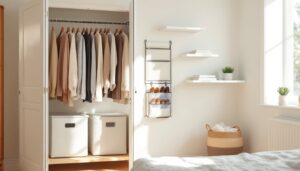
Bedrooms and closets benefit from fabric or woven bins that blend with the room’s decor. Use them on closet shelves for off-season clothes, accessories, or extra bedding. In a reach-in closet, bins with handles or cutout grips make retrieval easier from upper shelves. For shoe storage, clear plastic bins let someone see the pair inside, while fabric bins on lower shelves can group scarves, belts, or handbags.
In the living room, decorative baskets keep blankets, magazines, or remote controls tidy without looking utilitarian. Choose sizes that fit the space: a large floor basket next to the sofa for throws, a smaller one on a coffee table or console for odds and ends. If kids’ toys are part of the mix, low-sided bins make cleanup easier, kids can toss items in without lifting a lid.
For garages, basements, and workshops, prioritize durability and stackability. Heavy-duty plastic bins with latching lids protect contents from dust and pests. Label each bin clearly (masking tape and a permanent marker work fine) and store similar items together: automotive supplies, camping gear, holiday decorations, paint and finishing supplies. Stackable bins save floor space, but don’t stack them more than three high unless they’re designed for it, overloading can crack lids or make the bottom bin hard to access.
Mudrooms and entryways need bins that handle daily wear: shoes, bags, sports gear, pet supplies. Wire or plastic bins on a bench or shelf are easy to wipe down and won’t hold onto dirt or moisture. If the mudroom doubles as a laundry area, use bins to sort clean rags, cleaning supplies, or recycling.
Creative Ways to Use Storage Baskets and Bins in Your Home
Beyond standard shelf placement, baskets and bins can tackle niche storage problems throughout the house. In a home office, use fabric or wire bins on a bookshelf to corral cables, chargers, and adapters, no more tangled cords in a drawer. Desktop organizers with small compartments keep pens, sticky notes, and paper clips sorted, while larger bins on lower shelves can hold printer paper, manuals, or project files.
In the laundry room, assign one bin per family member for clean, folded clothes ready to be put away. It cuts down on basket shuffling and makes it clear who needs to haul their stuff upstairs. A separate bin for rags, stained items, or clothes awaiting mending keeps the workflow organized. Wall-mounted wire baskets can hold detergent, stain removers, and dryer sheets within arm’s reach of the machines.
For kids’ rooms and playrooms, color-coded bins simplify cleanup: blue for blocks, red for action figures, green for art supplies. Label each bin with a picture and word, which helps younger kids put things back independently. Low, open bins on a bookshelf or cube organizer make toys easy to grab and return. Avoid bins with lids for frequently used items, kids won’t bother putting the lid back on, and it becomes one more thing to trip over.
In craft rooms or hobby spaces, clear stackable bins with latching lids keep materials dust-free and visible. Use drawer organizers or small parts bins for beads, buttons, threads, or model paints. Pegboard-mounted bins or baskets can hold scissors, glue guns, and rulers for quick access. When selecting organizers for small hardware or craft supplies, many experts suggest looking at versatile storage baskets designed for modular systems.
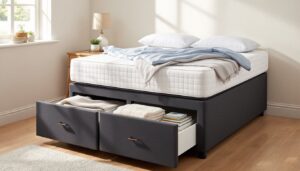
Under-bed storage is often wasted space. Low-profile plastic bins on wheels slide under most bed frames (measure the clearance first, many beds offer 5–7″ of space). Use them for off-season clothing, extra linens, or shoes. Fabric bins work here too, but wheels make retrieval easier on carpet.
In small apartments or studios, wall-mounted wire baskets can hold kitchen utensils, mail, or bathroom essentials without taking up counter or floor space. Over-the-door organizers with fabric pockets or clear bins add storage to closet doors, pantry doors, or bathroom doors. For ideas on maximizing tight spaces with functional storage, compact living strategies offer room-by-room inspiration. When evaluating different materials and designs, comparing top-rated storage options helps narrow down what works best for each household’s needs.
Finally, don’t overlook vertical space in closets or utility rooms. Stackable bins, hanging shelf organizers, and tiered racks turn wasted air into usable storage. Measure, label, and group like items, prep work that takes 20 minutes up front saves hours of hunting later.