Table of Contents
ToggleDesigner storage isn’t just about hiding clutter, it’s about integrating function with aesthetics so well that your organizational system becomes part of the décor. In 2026, homeowners are moving beyond plastic bins and wire racks, opting instead for pieces that reflect their design sense while solving real space challenges. Whether it’s a walnut credenza with custom inserts or a modular shelving system that adapts to your needs, designer storage bridges the gap between what looks good and what actually works. This guide breaks down what sets designer storage apart, where to use it room by room, and how to choose solutions that fit your budget without sacrificing quality.
Key Takeaways
- Designer storage solutions combine premium materials, intentional aesthetics, and quality construction to create organizational pieces that function beautifully and last for years.
- Prioritize high-impact zones like entryways, kitchens, and closets where you interact with storage daily, then scale back investments in less-visible areas to maximize budget efficiency.
- Material quality matters more than brand names—solid hardwood, dovetail joinery, and quality finishes outperform expensive designer pieces made from particleboard or cheap materials.
- Mix custom and off-the-shelf solutions by pairing affordable modular systems with premium upgrades like custom drawer fronts, leather pulls, or floating brackets to achieve designer storage aesthetics on a budget.
- Modular and scalable storage systems allow you to add components over time, spreading costs while adapting to changing needs without requiring costly replacements.
- Proper installation is critical—use a stud finder, load-rated fasteners, and structural anchors to ensure wall-mounted storage is secure and safe, especially for heavy items like dishes or books.
What Makes Storage Solutions ‘Designer’?
Designer storage isn’t defined by price tags alone. It’s characterized by intentional design choices, materials, finishes, hardware, and construction methods that elevate a piece beyond pure utility. Think solid hardwood frames instead of particle board, dovetail joinery instead of staples, or powder-coated steel with clean welds rather than flimsy sheet metal.
Material quality is the first differentiator. Designer pieces often use premium woods (walnut, oak, maple), metals (brass, stainless steel, blackened steel), or high-grade engineered materials like Baltic birch plywood. These materials age better, hold up under daily use, and often allow for refinishing or repair down the line.
Aesthetic cohesion is another hallmark. Designer storage is built to complement a room’s architecture and décor style, mid-century modern credenzas with tapered legs, Scandinavian-inspired modular cubes in matte white, or industrial pipe shelving with reclaimed wood. The piece doesn’t just store: it contributes to the visual language of the space.
Customization and modularity also play a role. Many designer systems let you configure compartments, adjust shelf heights, or add components over time. Brands like Elfa, Container Store’s Avera line, or custom millwork shops offer this flexibility, letting storage evolve as needs change.
Finally, hardware and finishes matter. Soft-close drawer slides, concealed European hinges, leather pulls, or matte lacquer finishes signal a level of craft that standard big-box options skip. These details improve function (drawers that glide silently) and longevity (finishes that resist fingerprints and scratches).
Top Designer Storage Solutions for Every Room
Living Room and Entryway Storage
The living room and entryway set the tone for a home, so storage here needs to be both functional and photogenic. Console tables with drawers or credenzas are go-to choices, they hide remotes, charging cables, and mail while providing a display surface for lamps or décor. Look for pieces with solid wood tops (at least ¾” thick) and full-extension drawer glides for durability.
Modular shelving systems like ladder shelves or wall-mounted cube units work well in smaller spaces. Many small-space storage strategies incorporate vertical storage to keep floor space open. When choosing wall-mounted options, confirm the unit’s weight capacity and use appropriate anchors, toggle bolts for drywall or screws into studs rated for at least 50 lbs per bracket.
For entryways, bench storage with lift-top seats or cubbies underneath keeps shoes, bags, and seasonal gear accessible but out of sight. Pair these with wall-mounted hooks or a coat rack in matching finishes (matte black, brushed brass, oiled bronze) to maintain visual consistency. If the bench will see heavy use, choose one with a hardwood frame and a seat depth of at least 16″ for comfort.
Kitchen and Pantry Organization
Kitchens demand storage that’s both beautiful and highly functional, since every inch counts. Pull-out pantry shelves and drawer organizers are staples of designer kitchens, they make items visible and accessible without requiring deep reaches into cabinets. For a retrofit, consider pull-out units that mount to existing cabinet frames: many are adjustable in width from 12″ to 21″ to fit standard cabinet openings.
Open shelving has become a signature look in modern kitchens, but it requires discipline. Floating shelves made from 2″ thick hardwood or steel brackets with ¾” plywood can handle the weight of dishes and glassware, provided they’re anchored into studs with lag screws (minimum ¼” diameter). Match shelf material and finish to countertops or cabinetry for a cohesive look.
Pantry systems benefit from clear containers with airtight seals, lazy Susans for corner cabinets, and tiered shelf risers. Designer options often feature materials like borosilicate glass, bamboo lids, or stainless steel. For ideas on streamlined setups, resources like The Kitchn showcase real-world kitchen organization projects with measurable results.
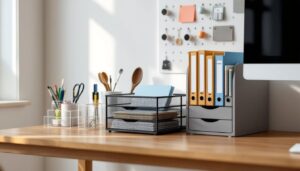
Don’t overlook drawer dividers for utensils and tools. Custom-fit bamboo or walnut inserts elevate even a standard drawer, and they’re easier to clean than plastic trays. Many can be trimmed to fit drawer widths between 12″ and 24″ using a handsaw or miter saw.
Bedroom and Closet Systems
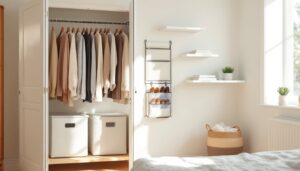
Bedrooms and closets are where designer storage makes the most impact on daily routines. Custom closet systems with adjustable rods, shelves, and drawers transform a basic reach-in closet into a boutique-style space. Systems from manufacturers like ClosetMaid, Elfa, or California Closets use melamine-coated particleboard or powder-coated steel for durability and moisture resistance.
For a DIY approach, start by measuring the closet interior (width, depth, height) and sketching a layout. Typical closet rods sit 66″ above the floor for long garments, with a second rod at 42″ for shorter items like shirts or folded pants. Shelving depths of 12″ to 14″ work for most folded clothes and shoes.
Implementing versatile closet organization tactics often involves mixing hanging space with drawers and open cubbies to accommodate different garment types. Velvet-flocked hangers or wooden hangers with notched shoulders prevent clothes from slipping and add a refined look compared to wire or plastic.
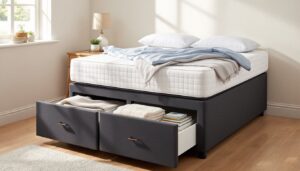
Under-bed storage is another underutilized opportunity. Designer options include low-profile drawers on casters (usually 5″ to 6″ tall) made from solid wood or metal frames. For platform beds, consider built-in drawer units that slide on full-extension glides, these integrate seamlessly and don’t collect dust like standalone bins.
Nightstands with hidden compartments or floating bedside shelves keep essentials accessible without visual clutter. Look for pieces with soft-close hinges and interior felt lining to protect small items like jewelry or eyeglasses.
How to Choose Designer Storage That Fits Your Budget
Designer storage doesn’t require unlimited funds, but it does demand strategic choices. Start by identifying high-impact zones, places where you interact with storage daily (entryway, kitchen, primary closet). Invest in quality pieces here and scale back in less-visible areas.
Prioritize materials over brand names. A solid oak shoe cabinet from a regional furniture maker often outperforms a particleboard designer-label piece at twice the cost. When comparing options, check for actual lumber dimensions (a “1×12″ shelf is actually ¾” × 11¼”), joinery type (dovetail or mortise-and-tenon beats butt joints), and finish durability (catalyzed lacquer or oil-based polyurethane holds up better than basic latex paint).
Mix custom and off-the-shelf solutions. For example, install IKEA’s PAX wardrobe frames but upgrade to custom drawer fronts in walnut or painted MDF. Alternatively, buy modular shelving units and add easy organizing upgrades like leather bin pulls or floating brackets in premium finishes.
Consider long-term cost per use. A $600 hardwood dresser that lasts 20 years costs $30 per year: a $150 particleboard unit that sags in five years costs the same annually. Factor in maintenance and repairability, solid wood can be sanded and refinished, while laminate cannot.
Shop sales cycles and floor models. Many furniture retailers discount floor samples by 30–50% in late winter (January–February) and late summer (August–September). Inspect for damage, but minor scratches on wood can often be buffed out with fine-grit sandpaper (220-grit) and furniture polish.
For budget-conscious projects, explore platforms like Apartment Therapy for DIY tutorials that mimic high-end looks using accessible materials. A DIY floating shelf made from 2″ oak planks and concealed brackets can rival a $300 designer unit for under $75 in materials.
Don’t skip installation quality. Even the best storage fails if poorly mounted. Use a stud finder to locate framing, and choose fasteners rated for the load, a wall-mounted cabinet holding dishes needs screws into studs, not just drywall anchors. If you’re unsure about load-bearing walls or need to remove existing cabinetry, consult a contractor: improper work can compromise structural integrity or violate local building codes.
Finally, evaluate scalability. Modular systems that allow you to add components over time spread costs and adapt to changing needs. A basic storage framework can grow as your budget allows, preventing the need for a full replacement down the line.
Conclusion
Designer storage solutions merge form and function, turning organizational needs into design opportunities. By focusing on material quality, intentional aesthetics, and room-specific demands, homeowners can create spaces that work harder and look better. Whether investing in a custom closet system or upgrading entryway storage with a handcrafted bench, the key is choosing pieces that will serve well for years, not just until the next trend cycle.