Table of Contents
ToggleMost homes accumulate stuff faster than they shed it. Tools migrate from the garage to the basement, kitchen gadgets multiply in drawers, and closets hit critical mass. The problem isn’t always lack of space, it’s lack of a workable system. Storage solutions don’t require a complete renovation or a professional organizer. With a few strategic additions and some honest assessment of how each room gets used, homeowners can reclaim square footage and reduce daily friction. This guide covers practical, room-by-room storage upgrades that fit real budgets and real timelines.
Key Takeaways
- Easy storage solutions can reduce the time spent searching for misplaced items and improve your home’s functionality without requiring professional organizers or major renovations.
- Double-hang closet rods, under-bed containers, and pull-out cabinet shelves are practical room-by-room storage upgrades that maximize existing space in bedrooms and kitchens.
- Vertical storage options like floating shelves, over-the-toilet cabinets, and wall-mounted organizers capture dead space in bathrooms and living areas.
- Proper anchoring to wall studs is critical for safety, especially with floating shelves, bookcases, and mounted storage that hold significant weight.
- DIY storage projects like pegboard walls, mudroom cubbies, and floating drawer nightstands deliver built-in results in a weekend using basic tools and intermediate skills.
- Organized spaces reduce visual clutter stress, prevent hidden home damage, and increase resale value by demonstrating that your home can handle everyday life efficiently.
Why Clutter-Free Spaces Matter for Your Home
Clutter isn’t just an eyesore, it costs time and energy. Studies show the average person spends roughly 2.5 days per year searching for misplaced items. That’s time lost to digging through junk drawers, moving boxes in the garage, or pawing through overstuffed closets.
From a home maintenance standpoint, disorganized spaces hide problems. Water damage under piles of storage bins, pest entry points behind stacked boxes, and mold growth in damp corners all go unnoticed when areas stay cluttered. Regular access and visibility are part of responsible upkeep.
Storage also affects resale value. Home buyers evaluate closet space, garage organization, and kitchen storage capacity during walkthroughs. Functional storage solutions for small spaces demonstrate that a home can handle everyday life without sprawl.
Finally, there’s the mental load. Visual clutter increases cortisol levels and makes spaces feel smaller than they are. Decluttering and organizing aren’t just cosmetic, they’re functional upgrades that improve how a home performs day to day.
Smart Bedroom Storage Solutions
Bedrooms often serve double duty: sleeping quarters and de facto storage for off-season clothes, extra linens, and personal items. Maximizing vertical and hidden space keeps the room calm without sacrificing capacity.
Start with the closet. Double-hang rods (one at 80 inches, one at 40 inches) immediately double hanging capacity for shorter items like shirts and folded pants. Shelf dividers prevent sweater stacks from toppling. If the closet lacks a built-in system, wire shelving kits from hardware stores install in an afternoon with a drill, level, and basic measuring. Look for adjustable brackets so shelves can adapt as needs change.
Over-the-door organizers work for shoes, accessories, or cleaning supplies, but check the door clearance first, most need at least a 1.5-inch gap between the door and frame. Cheap versions sag quickly under weight: look for reinforced metal hooks and durable fabric pockets.
Under-Bed Storage Options
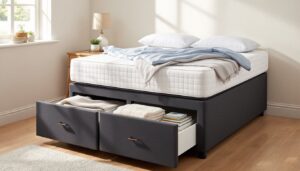
Under-bed storage is prime real estate that often goes unused. Standard bed frames sit 12–15 inches off the floor, enough for rolling bins or flat storage boxes. Measure the clearance before buying containers, many cheap plastic bins are listed at 12 inches but don’t account for wheels or lids.
Rolling storage drawers work well for frequently accessed items like extra bedding or seasonal clothes. Cedar-lined options deter moths and add a mild scent. For long-term storage (holiday decorations, archived paperwork), sealed plastic bins with latching lids keep dust and moisture out. Label everything: you won’t remember what’s in each bin six months later.
Bed risers add 3–8 inches of height, creating space for taller bins. Choose risers rated for the bed’s weight, a queen mattress, frame, and two people add up quickly. Stackable wood or heavy-duty plastic models are more stable than the flimsy college-dorm versions. Be aware that raising the bed changes the step-up height, which matters for kids, older adults, or anyone with mobility concerns.
Implementing effective closet storage solutions can further streamline bedroom organization by creating designated zones for different clothing types and accessories.
Kitchen Organization Made Simple
Kitchens suffer from a specific problem: too many single-purpose items competing for space. The solution isn’t more cabinets, it’s better use of existing volume.
Pull-out shelves (also called roll-out trays) retrofit into existing lower cabinets and bring back-corner items forward. They’re sold in standard widths (12, 15, 18, 21 inches) and mount to the cabinet floor or sides with screws. Measure the cabinet interior width and depth carefully: a too-wide shelf won’t clear the door opening. Soft-close slides cost more but prevent the slam-and-spill problem.
Lazy Susans and tiered risers maximize corner cabinets and deep shelves. For upper cabinets, undershelf baskets hang from existing shelves and create a second tier for flat items like plates or cutting boards. They’re temporary, renter-friendly, and require no tools.
Drawer dividers prevent the utensil avalanche. Spring-loaded or adjustable bamboo dividers fit most standard drawers and keep tools separated. For deeper drawers (pot and pan storage), pegboard inserts with adjustable pegs let you customize the layout. Pots nest better when stored vertically on edge rather than stacked.
Pantries benefit from clear, airtight containers for dry goods. They’re not just aesthetic, they prevent pest infiltration and extend shelf life by keeping moisture and air out. Square or rectangular containers use space more efficiently than round ones. According to organization experts at Real Simple, uniform containerization can reduce pantry clutter by 30 percent while improving visibility.
Don’t overlook vertical real estate. Magnetic knife strips, mounted spice racks, and hanging pot rails free up counter and drawer space. Use a stud finder before mounting heavy items, drywall anchors alone won’t hold a cast-iron pan collection.
Bathroom Storage Hacks for Small Spaces
Bathrooms are notoriously short on storage, especially in older homes built before the era of 47-step skincare routines. The key is capturing dead space and keeping frequently used items within arm’s reach.
Over-the-toilet shelving uses vertical space without a footprint. Freestanding ladder-style units or wall-mounted cabinets both work: the choice depends on whether you can (or want to) drill into tile. If mounting to drywall behind tile, use tile-specific drill bits and plastic anchors rated for at least 30 pounds. Always locate studs if possible.
Medicine cabinets recessed into the wall between studs save space compared to surface-mounted models, but they require cutting through drywall and sometimes tile. Check for plumbing and electrical lines before cutting, use a stud finder with wire-detection capability. Surface-mount cabinets are easier and safer for DIYers, though they protrude several inches.
Drawer organizers in vanity cabinets prevent the tangle of hair tools, makeup, and travel-size bottles. Expandable trays or modular bins keep categories separated. Under-sink cabinets are tricky because of the plumbing intrusion: U-shaped or adjustable shelving units straddle the pipes and create usable tiers. Measure the pipe locations before ordering, some sinks have off-center drains that limit layout options.
Towel storage often eats wall space. Hooks use less room than towel bars and can be mounted to the back of the door or on narrow wall sections. For households with kids, lower hooks prevent towels from ending up on the floor.
Shower caddies should be rust-resistant (stainless steel or coated wire, not cheap chrome-plated steel that flakes). Tension-rod models avoid drilling but can slip on tile if not tightened properly. Suction models fail in humid environments: adhesive-backed options work better but require clean, dry surfaces for installation.
Living Room and Common Area Solutions
Living rooms collect the overflow from every other room: mail, remotes, chargers, magazines, toys, throws, and the mystery items no one knows where to put. Built-in storage is ideal, but most homes make do with furniture that doubles as storage.
Storage ottomans and benches hide blankets, board games, or kids’ toys while providing seating. Look for hinged lids rather than removable tops, they’re easier to access one-handed. Weight capacity matters if people will sit on them: cheaper particleboard models sag under adult weight.
Media consoles with closed cabinets or drawers conceal electronics, cords, and clutter. Measure AV equipment before buying, receivers and game consoles need ventilation space (at least 2–3 inches on all sides) to prevent overheating. Cable management clips or sleeves keep cords organized behind the console. Drill a hole in the back panel if needed for cord pass-through: a 2-inch spade bit works well for most setups.
Floating shelves display books and decor without the visual bulk of a bookcase, but they must be properly anchored. Floating shelves attach with hidden brackets that slide into a mounting rail or rod. Always mount to studs (typically 16 inches on center in modern construction) or use heavy-duty toggle bolts rated for the load. A 24-inch floating shelf loaded with hardcover books can weigh 40+ pounds.
Bookcases serve as room dividers in open floor plans and provide vertical storage. Anchor tall units (over 5 feet) to the wall with L-brackets or furniture straps to prevent tip-over, especially in homes with kids or pets. The safety standard (ASTM F2057) requires tip-over testing for furniture over 27 inches, but older or imported pieces may not comply. A simple bracket costs a few bucks and takes ten minutes to install.
Basket storage on open shelves keeps small items contained while maintaining a cleaner look than exposed clutter. Woven, wire, or fabric bins all work: choose based on what’s being stored (heavy items need rigid sides, soft items can go in fabric). Many affordable storage options from IKEA can be customized with paint or fabric liners to match decor while maintaining function.
DIY Storage Projects You Can Complete This Weekend
Some storage problems need custom solutions, but that doesn’t mean hiring a carpenter. These DIY projects require intermediate skills and basic tools but deliver built-in results.
Built-in mudroom cubbies organize entryway chaos. The simplest version uses pre-made cube organizers (like those from big-box stores) stacked and screwed together, then topped with a 1×12 or 2×12 board for a bench seat. Anchor the assembly to wall studs with 3-inch screws through the back panel. Add hooks above for coats and bags. Paint or stain to match the trim. Budget half a day for assembly and finishing. This approach provides built-in aesthetics without the complexity of face-frame cabinetry.
Garage pegboard walls turn vertical space into tool storage. Use ¾-inch plywood or MDF as a backer behind the pegboard to create the necessary air gap for hooks (pegboard needs ½–1 inch of clearance behind it). Locate studs and screw 1×2 furring strips horizontally every 16 inches, then attach the pegboard to the strips with 1¼-inch screws. Paint the pegboard before installation, it’s easier than cutting in around hooks later. Metal pegboard hooks hold more weight than plastic and don’t pop out as easily. Consider outlining tools with a marker so everyone knows where things go.
Sliding barn-door cabinets hide laundry areas, pantries, or awkward alcoves. Pre-made barn door hardware kits include the rail, rollers, and spacers. The door itself can be built from ¾-inch plywood with 1×4 trim boards for a plank look, or buy a pre-hung door and remove the hinges. The rail must be mounted to a solid header or blocking, install a 2×6 or 2×8 ledger across the studs above the opening if there’s no structural header present. Barn doors don’t seal tightly, so they’re cosmetic, not soundproof or smell-proof.
Floating drawer nightstands eliminate floor clutter in bedrooms. Cut a box from ¾-inch plywood (16 inches wide × 12 inches deep × 6 inches tall works for most bedside needs), add a drawer front with concealed hinges or a simple pull, and mount the box to studs with a French cleat or heavy-duty brackets. The result looks like a floating drawer. Line the interior with felt to reduce noise. Finish with edge banding or paint to hide the plywood edges.
Custom closet shelving using melamine panels costs a fraction of pro systems. Cut panels to width (most home centers offer free cuts), support them with adjustable shelf standards (metal tracks with moveable brackets), and finish the front edges with iron-on edge banding or 1×2 trim. The standards mount to studs or blocking inside the closet. This system adapts as needs change, just move the brackets. If you’re dealing with limited hanging space, integrating shoe storage solutions at floor level keeps footwear organized without consuming valuable rod space.
For those with larger workshops or garages, modular techniques from industrial storage solutions can be scaled down to residential use, including wall-mounted bin systems and heavy-duty shelving capable of handling bulk storage or seasonal equipment.
Safety and Tools:
All of these projects require accurate measuring, level installation, and proper anchoring. Use a stud finder, a 4-foot level, and a drill with appropriate bits (wood screws, masonry anchors, or toggle bolts depending on the wall type). Wear safety glasses when cutting or drilling, and use a dust mask when sanding or cutting MDF (the dust is fine and irritating). Circular saws, miter saws, or table saws speed up cuts, but a handsaw and miter box work for smaller projects. If cutting melamine or plywood, score the cut line with a utility knife first to reduce tear-out.
None of these projects typically require permits unless you’re altering structural walls or adding electrical outlets. Check local codes if in doubt. Always turn off power at the breaker before drilling near outlets or switches.