Table of Contents
ToggleBoard game collections have a way of taking over living spaces. What starts as a modest stack on a bookshelf quickly sprawls into towers of boxes in closets, under beds, and eventually blocking hallways. Unlike books or DVDs, board games come in wildly inconsistent sizes, from compact card games to sprawling strategy epics that could double as furniture. Without a solid storage plan, finding the game you want becomes a scavenger hunt, and damaged boxes become inevitable. The good news? With the right combination of furniture, DIY projects, and organizational strategy, even a massive collection can live neatly in plain sight.
Key Takeaways
- Board game storage solutions protect your investment by preventing damage like crushed corners and lost components that reduce resale value and playability.
- IKEA Kallax shelving units remain the gold standard for board game storage, with a 5×5 unit holding 100–125 games at roughly $200, though weight distribution across shelves is essential.
- Organize games by size and frequency of use—store frequently played games at eye level, sort by size to minimize wasted shelf space, and keep games in climate-controlled areas to prevent warping and mold.
- DIY storage projects like floating cube shelves, under-stair drawers, and rolling carts offer cost-effective customization, with floating cubes costing just $10–15 each and maximizing vertical space.
- Proper board game storage increases game accessibility and encourages more frequent play by making your collection visible and easy to browse.
Why Proper Board Game Storage Matters
Board games aren’t cheap. A single premium title can run $60 to $120, and collectors easily rack up thousands of dollars in their libraries. Improper storage leads to crushed corners, warped boards, and lost components, damage that kills resale value and makes games unplayable.
Beyond protecting your investment, good storage makes games accessible. If half your collection is buried in a guest room closet, those games won’t get played. Visibility drives use. When games are organized and easy to browse, game nights happen more often.
Proper storage also addresses weight distribution. A standard game weighs 2 to 5 pounds, but large strategy games can hit 10 pounds or more. Stack a dozen heavy games on a flimsy particleboard shelf, and you’re asking for a collapse. Load-bearing capacity matters, especially for freestanding units.
Finally, board game storage impacts room function. Games stored on open shelving double as decor, colorful spines and box art add personality to a space. Hidden storage like ottomans or benches keeps games handy without visual clutter. The right approach depends on whether the collection is a showpiece or something to tuck away when not in use.
Best Furniture Options for Board Game Storage
Shelving Units and Bookcases
Kallax shelving units (formerly Expedit) from IKEA remain the gold standard for board game storage. The cube format fits most game boxes perfectly, each 13″ × 13″ cubby holds 3 to 5 standard games standing upright. The 5×5 unit (77″ wide × 77″ tall) holds roughly 100 to 125 games and costs around $200, though prices fluctuate.
Kallax units use particleboard construction with a honeycomb core, so weight distribution is critical. Spread heavy games across multiple shelves rather than loading one shelf with all the chunky titles. Each shelf supports about 29 pounds when properly installed, but real-world capacity is lower if the unit isn’t anchored to wall studs.
Traditional bookcases with adjustable shelves work well for collections with size variety. Look for units with at least ¾” thick shelves and a depth of 11″ to 13″. Shallower shelves waste space: deeper shelves let boxes get lost in back. Adjustable shelving lets users customize spacing, small card games don’t need 12″ of vertical clearance.
For large collections, consider commercial-grade wire shelving (the kind used in restaurant kitchens). These units handle serious weight, 250 to 350 pounds per shelf, and come in modular sizes. A 48″ × 18″ × 72″ unit runs $120 to $180 and holds 200+ games. The industrial look won’t suit every room, but for basement or garage storage, it’s hard to beat the capacity.
Always anchor tall shelving to wall studs using L-brackets or furniture straps. Board game weight adds up fast, and a toppling bookcase is a safety hazard. Use a stud finder to locate framing, drill pilot holes, and secure with #10 × 3″ wood screws.
Storage Ottomans and Benches
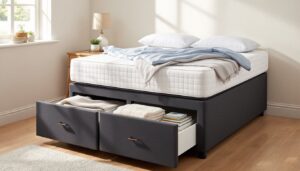
Storage ottomans hide games in plain sight, doubling as seating or footrests. Look for models with removable lids (hinged lids make it harder to access contents when someone’s sitting on them). Interior dimensions matter, a typical 30″ × 18″ × 18″ ottoman holds 8 to 12 standard game boxes, depending on orientation.
For families with young kids, storage ottomans keep games out of toddler reach while staying accessible to adults. Many homeowners find this approach reduces clutter in multipurpose rooms, especially when living space is tight.
Entryway benches with cubby storage underneath work well for frequently played games. The bench format encourages game rotation, swap out titles seasonally or based on what’s getting played. A 48″ bench with three cubbies typically holds 15 to 20 games and costs $150 to $300, depending on materials.
Wood construction beats fabric for longevity. Fabric ottomans sag under weight and get dingy. Solid wood or plywood with a finished interior holds up better, especially if storing heavier games. Check weight ratings, budget ottomans often max out at 200 pounds total capacity, which sounds like a lot until you load 40 pounds of games and add a person sitting on top.
DIY Board Game Storage Projects
Building custom storage lets you tailor dimensions to your exact collection and room layout. These projects assume basic carpentry skills and standard tools: circular saw or miter saw, drill/driver, measuring tape, level, and safety gear (goggles, hearing protection, dust mask).
Floating cube shelves maximize vertical space without the footprint of a full bookcase. Cut ¾” plywood into 13″ × 13″ × 13″ cubes (six sides per cube). Assemble with wood glue and 1¼” finish nails or pocket screws. Mount to wall studs using hidden French cleats, rip a 1″ × 4″ at a 45° bevel, screw one half to the wall studs and the other to the back of the cube. This method distributes weight evenly and makes cubes removable.
For a materials list: one 4′ × 8′ sheet of ¾” birch plywood yields about six cubes and costs $60 to $80. Add $15 for wood glue, fasteners, and sandpaper. Finish with primer and paint or leave raw for a modern look. Total cost per cube: $10 to $15.
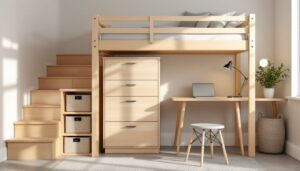
Under-stair pullout drawers reclaim dead space. Measure the depth and height under each stair tread. Build drawer boxes from ½” plywood (sides and back) and ¾” plywood (bottom). Use full-extension drawer slides rated for 100 pounds, the cheap side-mount slides won’t cut it for game storage. Mount slides to wall studs or install a vertical cleat along each side of the stairwell framing.
DIY enthusiasts looking for clever storage solutions often repurpose existing furniture. One popular hack involves IKEA LACK TV stands, stacking units with removable tabletops creates an expanding game table with built-in storage.
Rolling game carts bring the collection to the game night. Build a two-tier cart from ¾” plywood (24″ × 18″ shelves) with 3″ locking casters. Screw a 1″ × 3″ rail around the perimeter of each shelf to prevent boxes from sliding off. Drill pilot holes before driving screws into the edge grain of plywood to avoid splitting.
Finish all bare wood with primer and two coats of latex paint or polyurethane. Unfinished wood absorbs moisture and can warp. Sand between coats with 220-grit sandpaper for a smooth finish.
One thing to note: if you’re cutting a lot of plywood, a track saw gives cleaner cuts than a handheld circular saw, but it’s not essential. A circular saw with a clamped straightedge works fine and costs a fraction of the price.
Organizing Games by Size and Frequency of Use
Random storage is the enemy of efficient retrieval. A logical system saves time and reduces wear and tear from constantly shifting boxes around.
Start by sorting games into size categories: small (card games, filler games), medium (standard boxes like Ticket to Ride), large (Twilight Imperium, Gloomhaven), and oversized (anything that doesn’t fit a standard shelf). Store like sizes together, it’s a game of Tetris, and mixed sizes leave wasted gaps.
Vertical storage beats stacking. Stand games upright like books whenever possible. Stacking heavy games crushes bottom boxes and makes grabbing a middle title a frustrating excavation. If you must stack, limit stacks to three boxes max and put the heaviest on the bottom.
For collections pushing 50+ games, alphabetical or genre-based organization helps. Sort by mechanism (deckbuilders, worker placement, cooperative), theme (fantasy, sci-fi, historical), or simply A-Z by title. Pick whichever system matches how you think about your games. Many homes with extensive collections apply organizational principles borrowed from professional organizing to keep everything accessible.
Frequency of use should dictate placement. Put party games and family favorites at eye level (60″ off the floor). Less-played titles go on top shelves or in secondary storage. Games that haven’t been opened in two years might belong in long-term storage, plastic bins in a closet or garage.
Label shelves or cubbies if you’re storing games with spines facing out. A simple label maker prevents the “where did I put that game?” scavenger hunt. Some collectors photograph their shelves and keep a digital inventory, overkill for casual players, but handy for insurance purposes if you’ve got a $5,000+ collection.
Protective measures: store games in a climate-controlled space. Basements and garages experience humidity swings that warp cardboard and encourage mold. If you must use these spaces, add a dehumidifier and keep games off concrete floors (use pallets or wire shelving). Avoid direct sunlight, UV fades box art and weakens cardboard over time.
Conclusion
Board game storage doesn’t require a dedicated game room or custom cabinetry, just a clear plan and the right combination of furniture and organization tactics. Whether it’s a Kallax unit in the living room, DIY floating shelves in a hallway, or a rolling cart that wheels out for game night, the goal is the same: protect the collection, make games easy to find, and reclaim floor space. Start with what you have, measure twice, and build or buy storage that matches how you actually play.